
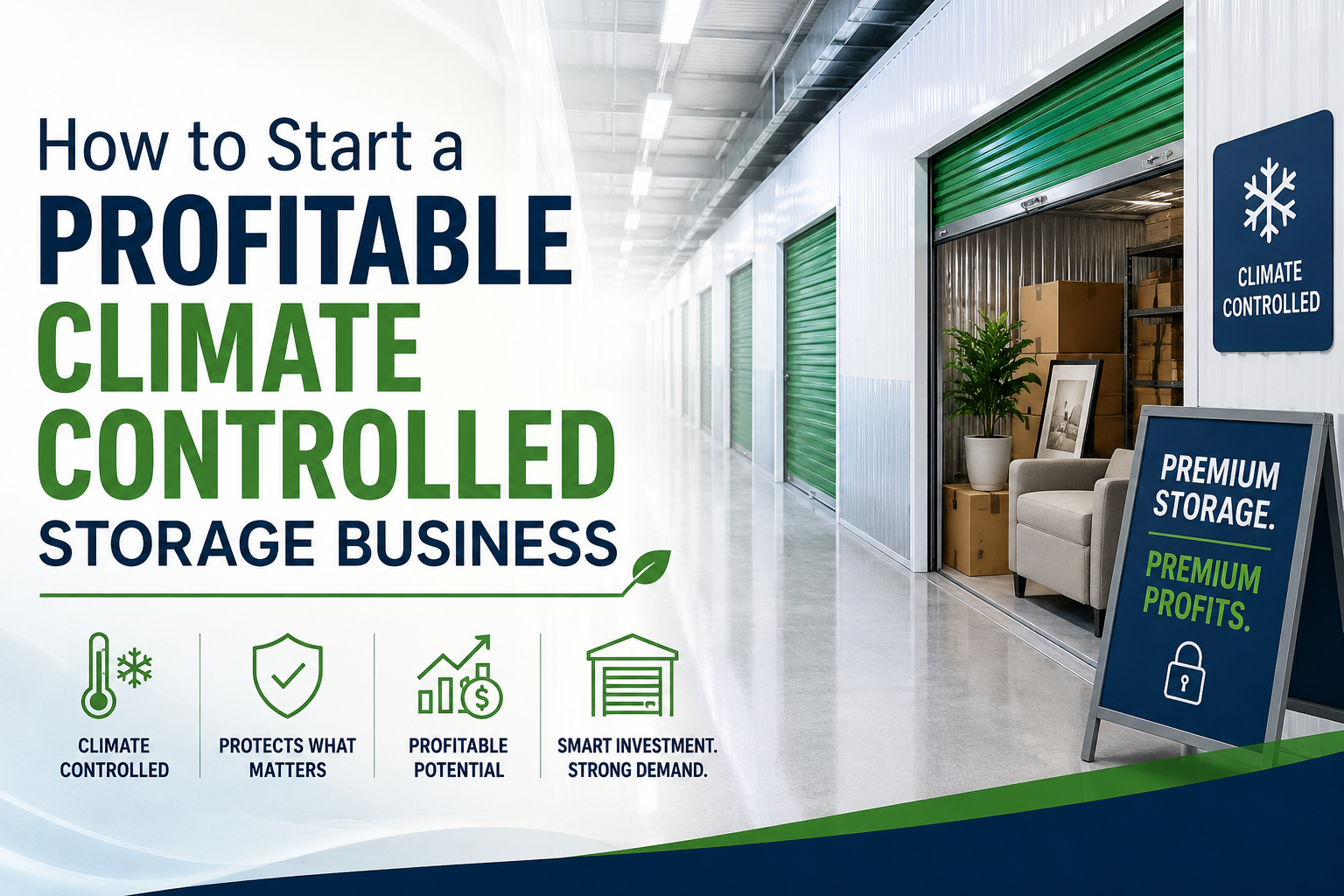
The self-storage sector in the UK rakes in over £800 million each year, with climate-controlled storage leading the charge as the fastest-growing segment. Companies in the pharmaceutical, food production, logistics, and retail sectors are on the lookout for reliable temperature-controlled storage solutions. If you’re thinking about diving into this market, shipping containers offer the most affordable, scalable, and quickest way to get started. This guide will walk you through the steps to create a successful climate-controlled storage business from scratch.
1. Understand Why Climate Controlled Storage Is in High Demand
Businesses aren’t just looking for any storage solution; they need one that truly safeguards their products. Regular warehouses can leave goods vulnerable to temperature swings, sudden spikes in humidity, and condensation. These factors can wreak havoc on pharmaceuticals, spoil food ingredients, degrade chemicals, and even damage electronics.
That’s where climate controlled shipping containers come into play. They keep temperatures steady, usually between -40°C and +80°C, depending on your needs, and manage humidity levels to ensure stock is protected at all times. This kind of meticulous control comes with a higher rental price, which is precisely why the profit margins in this specialised area outshine those of standard self-storage.
Businesses renting climate controlled storage units are sticky customers. They sign longer contracts, renew consistently, and rarely move their stock once settled.
2. Choose the Right Container Types for Your Market
Before you invest, identify which industries operate in your area and what temperature controlled storage units they need. Different sectors require different specifications:
- Refrigerated containers (reefers) — ideal for food manufacturers, caterers, and cold chain logistics businesses
- Heated containers — suit construction firms, chemical processors, and manufacturing plants that need frost-free storage
- Deep freeze containers — serve ice cream producers, frozen food distributors, and biomedical research facilities
- Humidity-controlled containers — attract pharmaceutical companies, seed storage clients, and R&D laboratories
- Explosion-proof containers — required by oil and gas operators and hazardous goods handlers
Starting with refrigerated containers and heated containers covers the broadest customer base. You can add specialist units as your client base grows and you understand local demand better.
3. Calculate Your Start-Up Costs and Revenue Potential
Shipping containers cost significantly less than building permanent cold storage facilities. A 20ft refrigerated container typically costs between £8,000 and £15,000 to purchase, compared to £50,000 or more for a brick-and-mortar cold room of equivalent size.
Here is a straightforward revenue model for a small initial fleet:
- Purchase 5 x 20ft refrigerated containers at an average cost of £10,000 each — total investment: £50,000
- Rent each container at £1,200–£1,800 per month to B2B clients
- Achieve 80% occupancy across the fleet — monthly revenue: approximately £5,760–£7,200
- Cover running costs (power, maintenance, site lease) of roughly £1,500 per month
- Net monthly profit: £4,200–£5,700 — full return on investment within 9 to 12 months
The key advantage over standard self-storage: climate controlled storage units attract business clients who sign 12-month or multi-year contracts, giving you predictable, recurring revenue.
4. Choose Between Buying and Renting Your Containers
You’ve got two paths to dive into this business. One option is to buy containers outright, giving you full ownership of your assets. The other route is to partner with a specialist supplier like Conrail, where you can rent containers and then sub-let them to clients for a profit.
Renting containers means you’ll need less cash upfront and won’t have to worry about maintenance. On the flip side, buying containers outright helps you build equity and can lead to better long-term profits. A lot of successful operators start by renting a small fleet to gauge local demand, and once they’ve built a solid client base and consistent occupancy, they move on to purchasing their own containers.
5. Market Your Climate Controlled Storage Business Effectively
Your customers are not individuals — they are procurement managers, operations directors, and supply chain teams at local businesses. Reach them through:
- Google search — target keywords like “climate controlled storage unit” and “temperature controlled storage” with local intent
- LinkedIn outreach — connect directly with operations and logistics managers in your target sectors
- Local business directories and trade associations — particularly food, pharma, and chemical industry groups
- Referral partnerships — build relationships with logistics companies, freight forwarders, and facilities managers who encounter clients with cold storage needs
To really showcase your grasp of compliance requirements, consider publishing case studies and content tailored to specific sectors. Think about GDP guidelines for the pharmaceutical industry, the Food Safety Act standards for food businesses, and COSHH regulations for handling hazardous materials. Remember, businesses tend to partner with suppliers who not only understand their storage needs but also have a solid grasp of the regulatory landscape they operate in.
6. Partner with an Experienced Container Supplier
Your choice of container supplier plays a crucial role in shaping the quality of your offerings, the dependability of your services, and the compliance credentials you can present to your clients. It’s essential to partner with a supplier that adheres to strict manufacturing standards, provides round-the-clock technical support, and offers a comprehensive selection of climate-controlled shipping containers, from standard reefers to custom modular systems.
At Conrail, we have supported UK businesses with specialist climate controlled storage containers since 2009. We supply containers for sale and hire, and provide engineering support to keep your fleet running without interruption. Contact us on 01252 715406 or at info@conrail.co.uk to discuss how we can support your business.
Start Building Your Climate Controlled Storage Business Today
The need for dependable, compliant temperature-controlled storage is on the rise, and shipping containers offer the quickest and most budget-friendly solution to meet that demand. Start by identifying your target market, selecting the right types of containers, crafting your revenue model, and teaming up with a supplier who provides quality and support.
Businesses that jump into this market now will secure the clients and contracts that will shape the industry for years to come. So why wait? Begin today and create something profitable from the very first container you set up!