
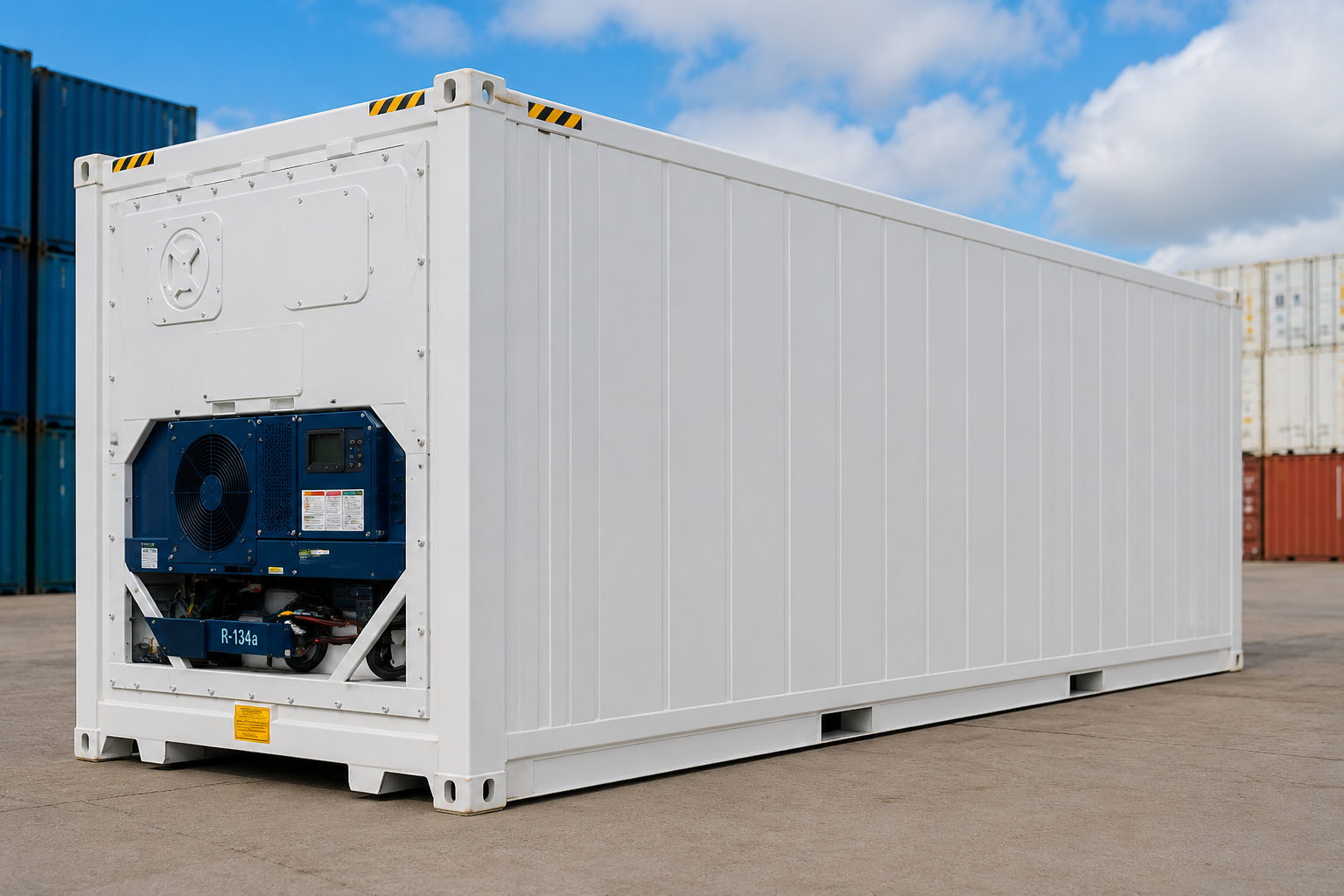
Corrosion is one of the most common – and most preventable – reasons that stored equipment fails before it ever leaves the warehouse. Whether you’re storing machinery, tools, vehicles, electronics, or precision instruments, rust and corrosion can quietly erode value, safety, and performance while items sit unused. The good news is that with the right storage conditions and a bit of preparation, corrosion is almost entirely avoidable.
In this guide, we’ll walk through why corrosion happens, the steps you can take to protect your equipment, and why climate controlled storage is often the most effective long-term solution.
What Causes Corrosion in Storage?
Corrosion is a chemical reaction, most commonly rust, that occurs when metal is exposed to moisture and oxygen over time. Several factors accelerate this process in a storage environment:
- Humidity – Damp air allows moisture to settle on metal surfaces, triggering oxidation.
- Temperature fluctuations – Rapid changes in temperature cause condensation to form inside equipment, on internal components, and beneath protective coatings.
- Poor ventilation – Stagnant air traps moisture close to surfaces instead of allowing it to dissipate.
- Salt and airborne contaminants – Coastal areas or industrial environments introduce particles that speed up corrosion.
- Direct contact with concrete or damp flooring – Untreated floors can wick moisture upward into stored items.
Even equipment that looks fine on the outside can suffer from corrosion internally, particularly with electronics, engines, and hydraulic systems.
Practical Steps to Prevent Corrosion
1. Clean and Dry Equipment Before Storage
Any dirt, grease, or residual moisture left on equipment before storage will accelerate corrosion. Clean all surfaces thoroughly and ensure everything is completely dry before it goes into storage.
2. Apply a Protective Coating
Rust-inhibiting oils, waxes, or anti-corrosion sprays create a barrier between metal surfaces and moisture in the air. This is particularly important for tools, machine parts, and exposed metal components.
3. Use Desiccants and Moisture Absorbers
Silica gel packs or moisture-absorbing products help control humidity within packaging or enclosed equipment, especially useful for smaller items or electronics.
4. Avoid Direct Contact with the Ground
Store equipment on pallets, shelving, or raised platforms rather than directly on the floor. This reduces exposure to rising damp and improves airflow underneath.
5. Control the Storage Environment
This is the single biggest factor in long-term corrosion prevention. Uncontrolled storage spaces – garages, outdoor containers, or unheated units – are subject to seasonal humidity and temperature swings that standard maintenance simply can’t offset.
Why Climate Controlled Storage Makes the Biggest Difference
A climate controlled storage unit maintains consistent temperature and humidity levels year-round, removing the two biggest triggers for corrosion before they become a problem.
Here’s what sets it apart from standard storage:
- Stable humidity levels prevent the condensation cycles that cause rust to form on metal surfaces.
- Consistent temperatures stop the expansion and contraction that can crack seals, damage coatings, and let moisture in.
- Cleaner air quality in a controlled indoor environment reduces exposure to salt, dust, and pollutants.
- Better protection for sensitive equipment, including anything with electronic components, hydraulics, or fine mechanical parts that are especially vulnerable to moisture damage.
For businesses storing machinery, tools, vehicles, or stock between projects or seasons, the cost of temperature controlled storage is almost always lower than the cost of repairing or replacing corroded equipment.
Who Benefits Most from Temperature Controlled Storage Units?
- Construction and engineering firms storing tools and machinery between contracts.
- Motor enthusiasts and dealerships protecting vehicles, motorbikes, or classic cars.
- Manufacturers and retailers holding stock or components with metal parts.
- Electronics and instrument owners who need stable conditions to avoid internal moisture damage.
- Agricultural and industrial businesses storing seasonal equipment.
If your equipment has any exposed metal, moving parts, or electronic components, the difference between standard and climate controlled storage can add years to its usable life.
Frequently Asked Questions
What is the difference between climate controlled storage and standard storage?
Standard storage units are exposed to outdoor temperature and humidity changes, while a climate controlled storage unit maintains consistent temperature and humidity levels year-round. This makes it far more effective at preventing rust, corrosion, and moisture damage.
Can corrosion happen even in a short storage period?
Yes. Corrosion can begin within days if equipment is exposed to high humidity or repeated condensation cycles, particularly on unprotected metal surfaces. The risk increases the longer items are stored without climate control.
Is temperature controlled storage only necessary for metal equipment?
No. While metal equipment is most visibly affected by rust, temperature controlled storage units also protect electronics, hydraulics, wood, leather, and other materials that can warp, degrade, or corrode internally due to fluctuating conditions.
Do I still need to apply protective coatings if I use climate controlled storage?
It’s still good practice. Cleaning equipment and applying a light rust-inhibiting coating before storage adds an extra layer of protection, even in a controlled environment, especially for long-term storage.
How do I know if my equipment already has corrosion damage?
Look for discolouration, flaking or bubbling on metal surfaces, a rough or pitted texture, and any unusual stiffness in moving parts. Electronics may show corrosion on connectors or circuit boards, which can affect performance even if it isn’t visible from the outside.
Is climate controlled storage more expensive than standard storage?
It typically costs more than standard storage, but the investment often works out cheaper in the long run when weighed against the cost of repairing or replacing corroded equipment, tools, or vehicles.
Final Thoughts
Corrosion doesn’t happen overnight, but it also doesn’t take long to set in once the right (or rather, wrong) conditions are in place. Cleaning, coating, and elevating your equipment will help – but for genuine, long-term protection, nothing beats a properly maintained temperature controlled storage unit with consistent humidity and temperature control.
If you’re looking for secure, reliable storage that protects your equipment against corrosion and the elements, get in touch with the team at Conrail today to find out more about our climate controlled storage options.