
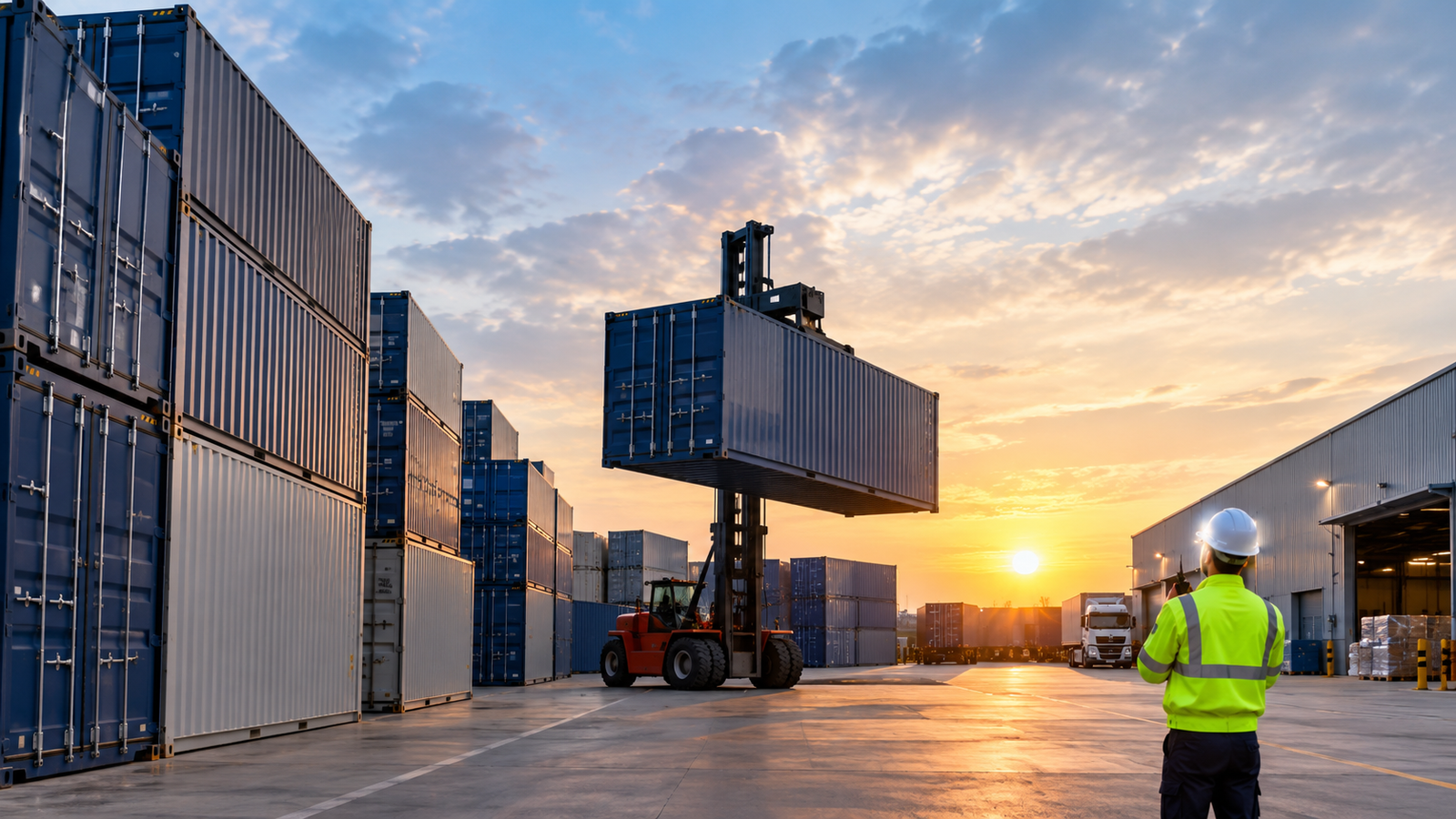
For businesses across the UK, storage is rarely a one-size-fits-all problem. Whether it’s a construction site needing secure equipment storage, a manufacturer requiring overflow space, or a lab needing temperature-controlled units, the right container solution can save time, money, and hassle. That’s where industrial storage containers come in – flexible, durable, and ready to deploy on your terms.
Why UK Businesses Rely on Storage Containers
Industrial storage containers have become a go-to solution across sectors for a few clear reasons:
- Speed of deployment – a container can be delivered and ready to use far faster than building permanent storage
- Security – steel construction and lockable access make them a safe option for tools, stock, and equipment
- Flexibility – units can be moved, scaled up, or scaled down as business needs change
- Cost control – avoiding the capital expense of permanent buildings while still getting reliable storage capacity
- Specialised options – from standard dry storage to climate-controlled units, there’s a container type suited to almost any requirement
Storage Container Hire
Not every business needs to own its storage outright. Container hire is ideal for:
- Short-term projects, such as construction sites or seasonal stock overflow
- Businesses testing new storage needs before committing to a purchase
- Situations requiring flexibility, where storage needs may change month to month
- Budget-conscious operations that prefer predictable rental costs over upfront capital spend
Hiring also means access to a wider range of specialist units – including climate-controlled, refrigerated, or laboratory-grade containers – without the long-term commitment of ownership. This is particularly valuable for research and development projects that need controlled environments only for the duration of a specific trial or study.
Storage Containers for Sale
For businesses with an ongoing or permanent storage need, purchasing a container often makes more sense. Buying outright offers:
- Long-term cost efficiency – no ongoing rental payments once the unit is paid for
- Full customisation – bespoke modifications, shelving, insulation, or climate control built to your exact specification
- Asset ownership – the container becomes a business asset, which may have tax and accounting advantages (we’d always recommend checking with your accountant on the best option for your situation)
- Availability on demand – no need to coordinate hire schedules or availability; the unit is yours whenever you need it
Choosing the Right Container Type
Not all storage needs are the same, which is why container options extend well beyond the standard steel box:
- Open top containers – ideal for oversized loads or items requiring crane access
- Full Side Access (FAS) containers – allow loading and unloading along the entire length, not just the end doors
- Climate-controlled containers – including freezer, chilled, heated, and air-conditioned options for temperature-sensitive goods
- Laboratory containers – purpose-built for R&D facilities and controlled testing environments
- Reefer containers – refrigerated units suited to perishable goods and logistics
- Flexi tanks and dry bulk liners – for the transport and storage of liquids and bulk materials
Buy, Rent, or Lease – Which Is Right for You?
There’s no single right answer here – it depends on the length of the project, budget structure, and how specialised the container needs to be. A short-term construction project might favour hire, while a manufacturer with ongoing overflow storage needs might find purchasing more cost-effective long term. Leasing can also offer a middle ground, spreading costs while still providing longer-term access to a unit.
Whichever route makes sense, working with a supplier who can flex between buy, rent, and lease options – rather than pushing a single model – means the solution fits the business, not the other way around.
The Bottom Line
Industrial storage containers give UK businesses a practical, secure, and adaptable way to manage storage – whether that’s a straightforward dry unit for a few months or a bespoke climate-controlled container for years of specialised use. The right partner will listen to your specific requirements and match you with a solution rather than a standard package.
Frequently Asked Questions
What’s the difference between hiring and buying a storage container?
Hiring suits short-term or flexible needs – construction projects, seasonal overflow, or trial periods – with predictable costs and no long-term commitment. Buying makes more sense for ongoing or permanent storage needs, offering full customisation and long-term cost savings once the unit is paid off.
How quickly can a storage container be delivered?
Standard containers can typically be delivered and ready to use within days, much faster than constructing permanent storage. Delivery times for bespoke or climate-controlled units may vary depending on specification.
Are storage containers secure enough for valuable equipment or stock?
Yes. Industrial storage containers are built from steel with lockable access points, making them a secure option for tools, machinery, and stock – a common choice for construction sites and businesses storing high-value equipment.
Can I get a temperature-controlled container?
Yes. Options include freezer, chilled, heated, and air-conditioned containers, suited to temperature-sensitive goods, laboratory work, or research and development projects requiring controlled environments.
What is a Full Side Access (FAS) container?
A FAS container allows loading and unloading along its entire length, rather than just through end doors – useful when handling large or awkward loads that need wider access points.
Is leasing a container different from renting?
Leasing typically involves a longer-term agreement than a short-term hire, spreading costs over an extended period while still avoiding the upfront capital cost of a purchase. It can suit businesses that need a unit for a set period longer than a standard rental term but don’t want to buy outright.
Do I need special permission to have a container delivered to my site?
This depends on the site, its location, and local regulations – some sites or placements may require permits, particularly for containers on public land or roadside positions. It’s worth checking with your local authority or supplier before delivery.
Should I buy or lease for tax purposes?
This depends on your business’s financial situation, and it’s best to consult your accountant to determine whether outright purchase, leasing, or hire offers the most favourable tax treatment for your circumstances.