
Introduction
New vs Used Shipping Containers – Storage Containers offer a practical way to create additional space for businesses, construction sites, warehouses and households across the UK. Whether you need somewhere to keep tools, protect stock or store equipment during a renovation, a shipping container can provide a flexible alternative to building permanent storage facilities.
However, choosing between a new and used container often raises an important question: is paying more for a new unit worthwhile, or can a used container deliver the same practical benefits for less?
The answer depends on your budget, intended use, storage duration and expectations regarding appearance and condition. By understanding the differences between these options, you can choose a solution that meets your needs without spending more than necessary.
What Are New Shipping Containers?
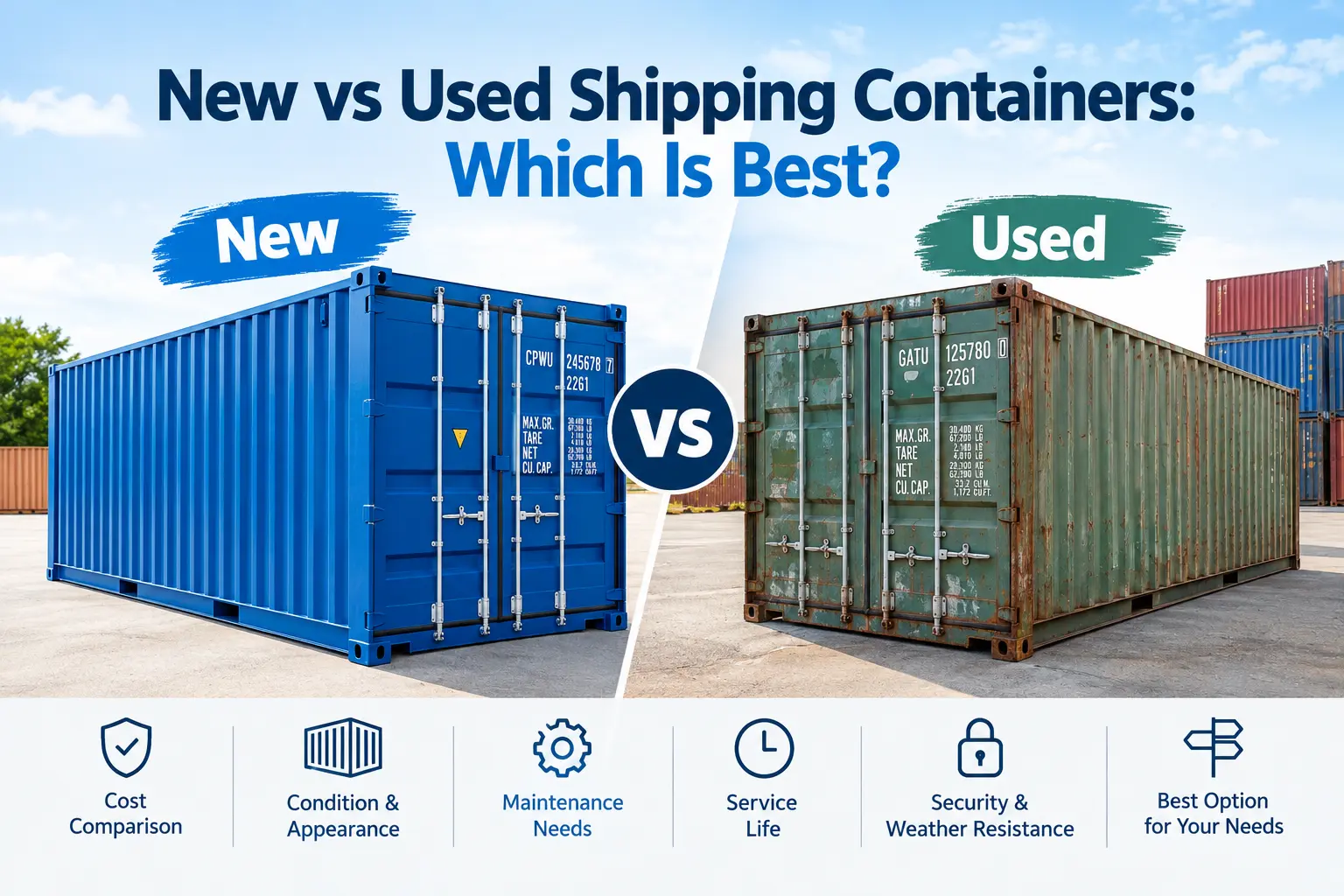
New shipping containers, often described as one-trip containers, have typically made a single journey carrying cargo from their manufacturing location. They usually arrive in excellent condition, with minimal signs of wear and a clean, presentable exterior.
Their doors, flooring, seals and structural components have generally experienced less use than those of older containers, although buyers should still check the specifications and condition before purchasing.
Benefits of New Containers
A new container can suit businesses that want reliable, attractive storage for valuable stock, equipment or materials. For example, a retailer may prefer a clean unit beside its premises, while a construction company might need secure storage that looks professional on a customer-facing site.
New containers can also reduce the likelihood of immediate repairs associated with wear and corrosion. However, conditions vary between suppliers and products, so buyers should confirm the container’s specifications rather than assume every new unit offers identical features. If appearance, condition and long-term ownership matter more than the initial purchase cost, a new container may be the better investment.
What Are Used Shipping Containers?
Used shipping containers have previously carried cargo or served other storage purposes. Their condition varies according to age, previous use, maintenance and exposure to weather. Some remain in good working order and provide dependable storage, while others may show significant corrosion, damaged flooring or worn door seals. As a result, a used container can offer excellent value, but its suitability depends on a careful assessment rather than its price alone.
What to Check Before Buying
Before purchasing a used unit, inspect the roof, walls, floor, doors and locking mechanisms. Look for deep rust, holes, distorted panels and signs of water entering the container. Check whether the doors open and close smoothly and whether the seals prevent rainwater from getting inside.
You should also ask about previous use, repairs and any remaining structural concerns. A container with minor cosmetic marks may be perfectly suitable for general storage, whereas serious corrosion or damaged structural components could create additional costs. Always confirm that the container matches your intended use before committing to a purchase.
New vs Used Shipping Containers: Key Differences
The best choice depends on what you expect from your container. New units generally offer better cosmetic condition and less wear, while used units can provide dependable storage at a lower initial cost. However, neither option automatically guarantees better security or weather resistance. You should compare the condition and specifications of individual containers before making a decision.
Cost, Condition and Maintenance
| Feature | New shipping containers | Used shipping containers |
| Initial cost | Usually higher | Usually lower |
| Appearance | Clean, with minimal wear | May show dents, scratches and rust |
| Maintenance | Often requires fewer immediate repairs | May need additional maintenance |
| Service life | Generally offers more potential remaining service life | Depends on age, condition and previous use |
| Security | Depends on locking equipment and condition | Depends on locking equipment and condition |
| Weather resistance | Generally in excellent condition | Depends on seals, structure and repairs |
A new container may justify its higher price if you plan to use it for many years or want a professional appearance. In contrast, a well-maintained used container may meet everyday storage requirements without the additional expense. Remember to consider delivery, repairs and maintenance when comparing the overall cost.
Security, Weather Resistance and Lifespan
Both new and used containers can provide secure, weather-resistant storage when they have sound structures, functioning doors and suitable locking systems. However, older containers may require repairs to damaged seals, corroded panels or worn locking mechanisms. A lockbox and a suitable high-security padlock can help improve protection against theft.
The expected service life also varies. A well-maintained used container may remain useful for years, while poor drainage, standing water and untreated corrosion can shorten its lifespan. Therefore, assess the container’s actual condition rather than relying on age alone.
Should You Buy or Hire a Storage Container?
Buying makes sense when you need permanent or long-term storage and want to retain the container as an asset. You can also customise a purchased unit to suit your business, provided the modifications meet relevant safety requirements. However, ownership brings responsibilities, including maintenance, site preparation and eventual relocation or disposal.
Storage Container hire offers greater flexibility for temporary projects, seasonal stock increases and construction work. You can arrange storage for the period you need without committing to a long-term purchase. Before hiring, check the minimum hire period, delivery charges, collection arrangements and any restrictions on how you use the unit.
For a short-term project, hiring may be more practical. For ongoing storage over several years, buying could offer better value, depending on the total costs involved.
What to Consider When Buying a Storage Container
Before choosing a Storage Container for sale, start by measuring the space you need and considering what you intend to store. A standard 20-foot container may suit tools, furniture and business stock, while a 40-foot unit offers more capacity for larger storage requirements. Check the internal dimensions as well as the external measurements to ensure your items will fit comfortably.
Next, consider your budget, delivery costs and site conditions. The delivery vehicle needs sufficient access and clearance, while the container requires a suitable, level and stable base. Poor ground conditions can affect the container’s positioning and make doors harder to operate. Finally, ask the supplier about the container’s grade, weather resistance, security features and any warranty or inspection arrangements.
How to Choose the Right Storage Solution
Think about how long you will need the space, how valuable your stored items are and whether appearance matters. A new container may suit a customer-facing business or a project involving future modifications. A sound, inspected used unit may be ideal for construction materials, machinery or general stock. Meanwhile, hiring can help you manage temporary storage demands without making a permanent investment.
Whichever option you choose, compare the full costs and confirm the container’s condition before ordering. A reliable supplier should explain the available sizes, grades and delivery requirements clearly. You can explore the available storage container options at Conrail to help assess which solution fits your requirements.
Conclusion
Choosing between New vs Used Shipping Containers comes down to balancing cost, condition, intended use and expected service life. New containers offer a cleaner appearance and less previous wear, while used containers can provide practical storage at a lower purchase price.
Hiring offers another option when your requirements are temporary or uncertain. By checking the container carefully, planning delivery and comparing long-term costs, you can select a storage solution that meets your needs without unnecessary expense.
Frequently Asked Questions
1. Are used shipping containers weatherproof?
Some used containers remain wind and watertight, but their condition varies. Check the roof, walls, door seals and flooring, and confirm the supplier’s weatherproofing standards before buying.
2. Are new shipping containers worth the extra cost?
They can be worthwhile if appearance, minimal wear and long-term use are priorities. For general storage, a well-maintained used container may provide sufficient protection at a lower cost.
3. Can I hire a storage container for a short-term project?
Yes. Storage container hire can suit construction projects, temporary stock requirements and renovations. Check the minimum hire period, delivery fees and collection terms before agreeing to a contract.
4. What size storage container do I need?
Your choice depends on the volume of goods, available site space and delivery access. Compare internal dimensions and allow room for loading, unloading and organising stored items.
5. Should I buy or hire a storage container?
Buying may suit long-term storage, while hiring offers flexibility for temporary requirements. Compare purchase costs, hire charges, delivery, maintenance and the expected storage period before deciding.