
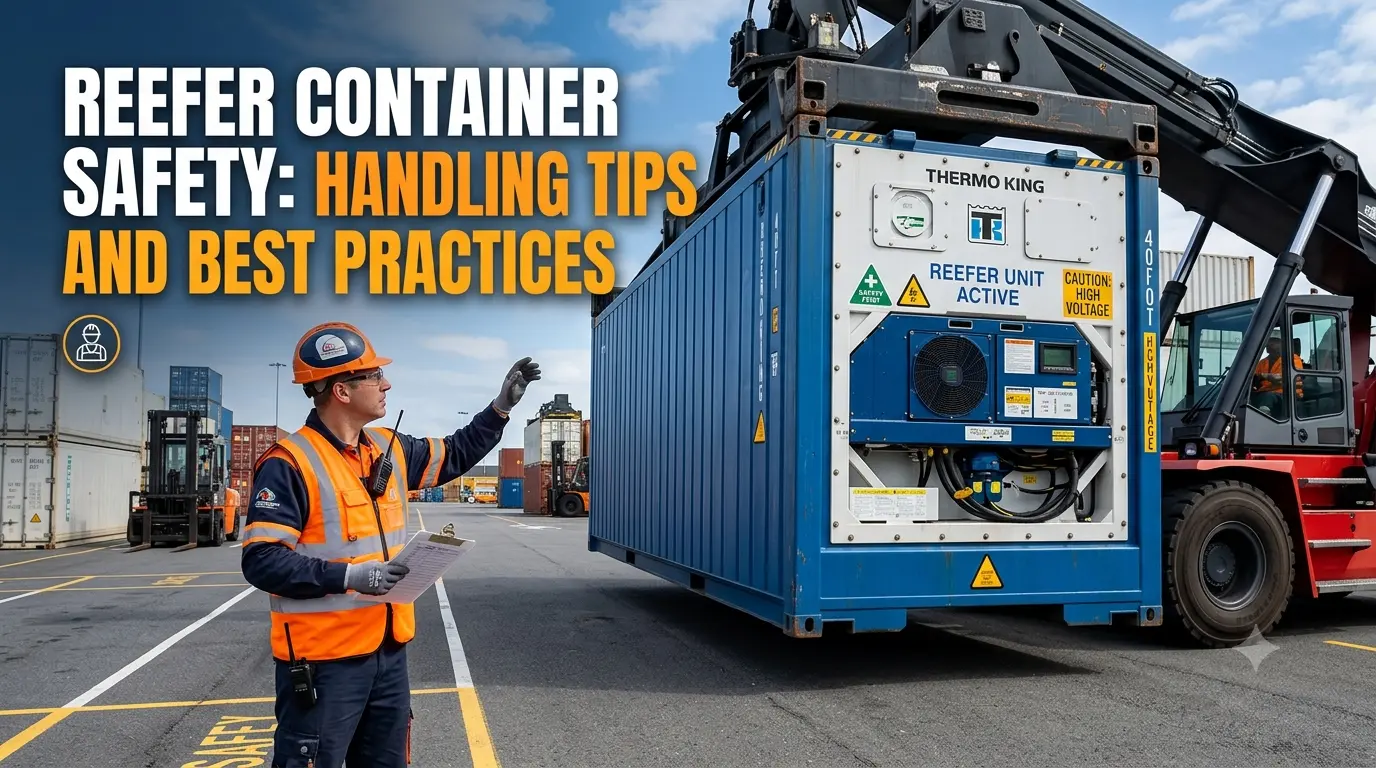
For businesses that depend on temperature-controlled storage, keeping products at the right temperature is just one piece of the puzzle. Safe handling, regular maintenance, and correct loading procedures are just as crucial for safeguarding valuable inventory and ensuring everything runs smoothly.
Reefer containers, or cold storage containers, are a staple across various industries for preserving food, pharmaceuticals, flowers, beverages, chemicals, and other temperature-sensitive items. Whether you need to rent a refrigerated container for a seasonal project or are looking to buy one for long-term use, sticking to best practices is key to maintaining product quality, boosting energy efficiency, and minimising costly downtime.
This guide will walk you through the vital safety measures for handling refrigerated containers and emphasise how proper maintenance is essential for reliable cold chain logistics and effective temperature-controlled storage.
Why Reefer Container Safety Matters
Refrigerated containers are designed to maintain consistent temperatures during storage and transport. Even a minor slip-up, like obstructing airflow or keeping the doors open for too long, can disrupt the cold chain and impact the quality of your products.
By following the right safety protocols, businesses can:
- Safeguard perishable items
- Enhance cooling efficiency
- Minimise equipment breakdowns
- Cut down on operating expenses
- Ensure compliance with food safety regulations
- Prolong the life of refrigeration equipment
Whether your operation relies on commercial refrigerated storage or portable cold solutions, adhering to safe practices is essential for protecting both your products and your investment.
Understand How Reefer Containers Work
Before you dive into handling a refrigerated container, it’s crucial to grasp how it works. Unlike your typical household fridge, a reefer container doesn’t cool warm products quickly. Instead, it’s designed to keep items at the temperature they’ve already been cooled to, thanks to its built-in refrigeration unit.
Cold air circulates under the floor and spreads throughout the container, ensuring that temperatures remain consistent as long as the cargo is loaded properly. If air vents get blocked or the container is overloaded, it can mess with this airflow and hamper cooling efficiency.
That’s why following proper loading practices is key to keeping the cold chain running smoothly.
Inspect the Container Before Every Use
Routine inspections are key to catching minor problems before they turn into costly repairs. Before you start loading products, take a moment to check the container for the following:
- Damaged door seals
- Cleanliness inside
- Ice buildup
- How well the refrigeration unit is working
- Condition of the electrical cables
- Air vents that are clear of any blockages
- Secure locking mechanisms
If you spot any signs of damage, don’t wait; address them right away. Regular preventative inspections can help minimise downtime and boost the reliability of your cold storage solutions.
Choose the Right Installation Location
Where you place your refrigerated container really matters for both safety and performance. Make sure to set it up on:
- Solid, level ground
- A surface that drains well
- An area with plenty of ventilation
- A spot that’s easy to access for loading and unloading
- A dependable electrical power source
Steer clear of putting containers near intense heat sources or in areas with a lot of vehicle traffic. Choosing the right location helps the refrigeration system run more efficiently and makes maintenance a breeze.
Load Goods Correctly
Getting the loading just right is crucial for keeping temperatures steady inside reefer containers. These cold storage units depend on a steady flow of air from the refrigeration unit to spread that chilly air evenly. If loading isn’t done properly, it can lead to hot spots, lower cooling efficiency, and higher energy use, which can jeopardise the safety of temperature-sensitive items.
- To boost cooling performance, remember to:
- Leave enough space between pallets.
- Keep air circulation vents clear.
- Distribute weight evenly throughout.
- Avoid cramming too much into the container.
- Secure products for the journey.
- Stick to the recommended stacking heights.
Ensuring proper airflow means every item gets the cooling it needs while also easing the load on the refrigeration system.
Maintain the Correct Temperature
Before you start loading products, make sure to check the required storage temperature and set the refrigeration unit to the right level. Try to avoid making unnecessary adjustments to the temperature settings after loading, as constant changes can compromise product quality and lead to higher energy use. Many modern refrigerated containers available for hire come equipped with digital controllers, remote monitoring systems, and temperature alarms, all of which enhance operational reliability.
Pre-Cool Products Before Loading
One of the biggest blunders people make is putting warm products straight into the container. Remember, a refrigerated container is built to keep things cool, not to chill down warm items in a hurry. To get the best results, try these tips:
- Pre-cool your products before you load them in.
- If you can, pre-cool the container too.
- Load everything quickly.
- And don’t forget to close the doors right after loading.
These straightforward practices can really help maintain the cold chain, boost refrigeration efficiency, and lighten the load on the compressor.
Reduce Door Openings
Every time the doors are opened, warm air enters while cold air escapes.
Frequent door openings can:
- Increase electricity consumption
- Create condensation
- Cause ice build-up
- Reduce cooling performance
- Shorten equipment life
Plan loading and unloading schedules carefully to minimise unnecessary door openings. This simple habit improves the efficiency of temperature-controlled storage and protects valuable inventory.
Keep the Container Clean
Regular cleaning is essential for maintaining food safety and extending the life of refrigerated equipment.
After each use:
- Remove packaging materials.
- Clean spills immediately.
- Wash interior surfaces using approved cleaning products.
- Dry the container thoroughly.
- Check for mould, odours, or contamination.
Keeping food-grade storage containers clean helps prevent bacterial growth while ensuring compliance with hygiene regulations.
Schedule Routine Maintenance
Preventative maintenance keeps refrigerated containers operating efficiently while reducing the likelihood of unexpected breakdowns.
Routine servicing should include:
- Checking refrigerant levels
- Inspecting compressors and cooling fans
- Cleaning condenser coils
- Testing electrical systems
- Examining door seals
- Verifying temperature accuracy
Routine servicing not only extends the lifespan of your refrigeration equipment but also improves the performance of your temperature-controlled storage system. Regular inspections help businesses maintain an uninterrupted cold chain, reduce unexpected breakdowns, and keep operating costs under control.
Regular maintenance also improves energy efficiency, helping businesses lower operating costs while ensuring dependable performance throughout the year.
Protect Employees During Operation
Working around refrigerated containers requires proper safety procedures to reduce the risk of workplace accidents. Cold environments, heavy equipment, and electrical systems can all present hazards if not managed correctly.
Employees should always wear appropriate personal protective equipment (PPE), including:
- Safety footwear
- Thermal gloves
- High-visibility clothing
- Warm protective clothing for cold environments
- Hard hats where required
In addition, keep walkways dry and free from ice, water, or packaging materials that could create slip hazards. Providing regular safety training ensures staff understand correct loading procedures, emergency shutdown processes, and safe operation of the refrigeration unit. A well-trained workforce not only improves workplace safety but also helps maintain the efficiency of your commercial refrigerated storage operations.
Monitor the Power Supply
A refrigerated container depends on a continuous electrical supply to maintain the required temperature. Even a short power interruption can compromise the quality of temperature-sensitive goods.
To reduce risks:
- Inspect electrical cables regularly.
- Use suitable power connections.
- Monitor voltage levels.
- Install backup generators where appropriate.
- Respond immediately to temperature alarms.
Modern reefer containers often feature digital monitoring systems that alert operators if temperatures move outside the desired range, allowing quick action before products are affected.
Why Choose Conrail for Refrigerated Container Hire?
When it comes to finding reliable refrigerated container hire for your business, partnering with a seasoned supplier can truly make a world of difference. Conrail is here to provide dependable cold storage solutions for companies all over the UK, ensuring your products stay in top shape while keeping your daily operations running smoothly.
Whether you need portable cold storage for a construction site, a temporary event, a food production facility, pharmaceutical storage, or to meet seasonal demands, Conrail has flexible refrigerated containers available for hire that can cater to your specific needs.
Each of our refrigerated containers is crafted to deliver consistent temperature control for a variety of temperature-sensitive items, such as:
- Fresh and frozen food
- Dairy products
- Beverages
- Pharmaceuticals
- Flowers and plants
- Chemicals
- Industrial materials
For those businesses looking for a more permanent cold storage solution, Conrail also offers refrigerated containers for sale, providing a long-term investment that guarantees reliable performance and energy efficiency.
- Our customers enjoy a range of benefits, including:
- Flexible hire periods
- Various container sizes
- Consistent temperature control
- Well-maintained refrigeration units
- Quick delivery across the UK
- Expert customer support
Whether you need short-term storage or a lasting cold storage solution, Conrail is dedicated to helping businesses maintain a seamless cold chain while keeping operating costs manageable.
Should You Hire or Buy a Refrigerated Container?
Deciding whether to hire or buy a refrigerated container really comes down to what your business needs. Renting is usually the way to go if you find yourself in any of these situations:
- You need storage for a limited time.
- Your demand fluctuates with the seasons.
- You want to keep initial costs down.
- You need the flexibility of short-term rentals.
- You require extra space during peak times.
On the flip side, if your business needs reliable cold storage all year round, purchasing a refrigerated container might be the better option. An experienced supplier like Conrail can guide you in figuring out which choice aligns best with your operational needs and budget.
Frequently Asked Questions
1. What is a reefer container?
A reefer container is a refrigerated shipping container designed to maintain a controlled temperature for storing or transporting temperature-sensitive goods such as food, pharmaceuticals, flowers, and beverages.
2. What temperature can a refrigerated container maintain?
Most refrigerated containers can operate between -30°C and +30°C, depending on the model and the products being stored.
3. Is refrigerated container hire better than buying?
If your business only requires temporary or seasonal cold storage, refrigerated container hire is often the most cost-effective solution. Businesses with long-term storage requirements may benefit from purchasing refrigerated containers for sale.
4. How often should refrigerated containers be serviced?
Routine servicing should be carried out according to the manufacturer’s recommendations. Regular inspections help maintain cooling performance, reduce breakdowns, and extend equipment life.
5. Can refrigerated containers store pharmaceutical products?
Yes. Modern refrigerated containers provide accurate temperature control, making them suitable for storing many pharmaceutical products, vaccines, and other temperature-sensitive medical supplies, provided the required storage specifications are met.
6. What industries use refrigerated containers?
Refrigerated containers are widely used across the food, beverage, pharmaceutical, agriculture, floral, logistics, hospitality, and manufacturing industries where reliable temperature-controlled storage is essential.
Conclusion
Safe handling practices are essential for protecting temperature-sensitive goods and maximising the performance of reefer containers. Regular inspections, correct loading, preventative maintenance, proper temperature management, and employee training all contribute to a reliable cold chain and efficient business operations.
Whether you’re looking for refrigerated container hire, comparing refrigerated containers for hire, or investing in refrigerated containers for sale, partnering with a trusted supplier like Conrail ensures dependable temperature-controlled storage for every application. With high-quality equipment, flexible hire options, and expert support, Conrail helps businesses keep products fresh, maintain compliance, and improve operational efficiency.
If you’re searching for reliable cold storage solutions, explore Conrail’s Refrigerated Containers to find the right option for your business. For additional guidance on food safety and temperature-controlled storage, visit the UK Food Standards Agency for best practices and regulatory information.
By following these reefer container safety tips and working with an experienced provider, businesses can reduce downtime, improve energy efficiency, protect valuable inventory, and ensure their refrigerated storage solutions continue to perform reliably for years to come.