
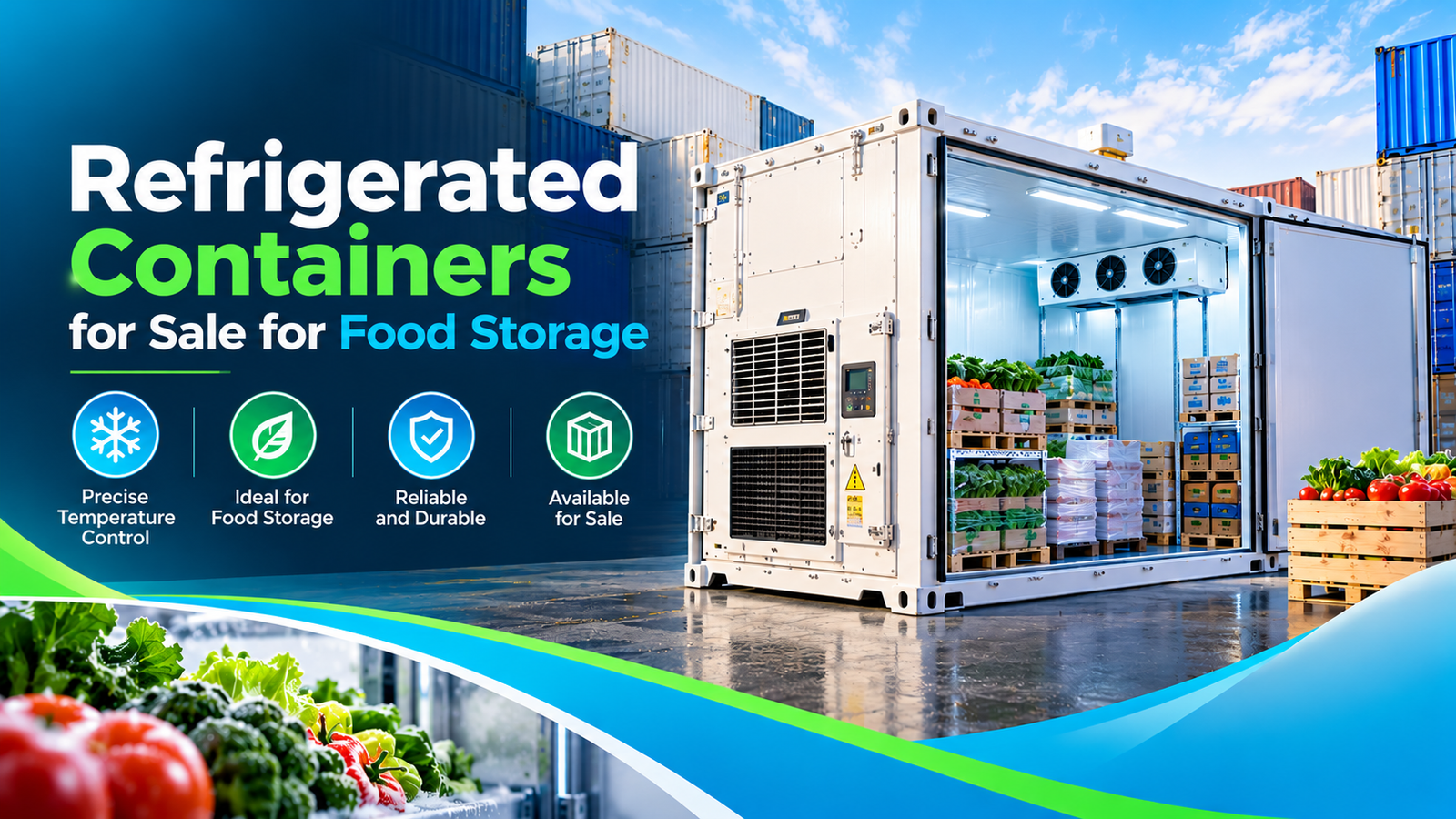
For businesses involved in food production, wholesale, retail and distribution, maintaining the right storage conditions is essential. Fresh produce, dairy products, meat, seafood and frozen foods all require appropriate temperature-controlled environments to preserve quality and support safe handling throughout the supply chain.
As businesses expand or experience fluctuations in demand, existing refrigeration facilities may struggle to provide enough capacity. Investing in refrigerated containers for sale offers a practical way to increase cold storage capacity without the disruption and expense associated with constructing a permanent cold storage building.
At Conrail, we supply refrigerated containers for businesses across the UK, providing flexible solutions for food storage, distribution and other temperature-sensitive applications. Available in different sizes and configurations, refrigerated containers can support everything from additional storage at food processing facilities to larger-scale distribution operations.
Why Are Refrigerated Containers Important for Food Storage?
Food products can deteriorate when exposed to unsuitable temperatures for extended periods. Maintaining appropriate storage conditions helps preserve product quality, minimise spoilage and support food safety procedures.
For food manufacturers, wholesalers and distributors, reliable refrigeration is particularly important because products may pass through several stages between production and delivery. Each stage requires suitable storage arrangements to help maintain the required conditions.
Refrigerated containers provide an additional temperature-controlled storage space that can be positioned close to existing operations. Rather than expanding a building or investing in a permanent cold room, businesses can use a refrigerated container to increase capacity where it is needed.
Depending on the container specification and required temperature range, applications include:
- Fresh produce storage: Supporting the storage of fruit, vegetables and other perishable products.
- Dairy and chilled foods: Providing additional capacity for milk products, prepared foods and other temperature-sensitive goods.
- Meat and seafood distribution: Supporting suitable chilled or frozen storage arrangements.
- Frozen food storage: Providing additional space for products requiring sub-zero temperatures.
- Food manufacturing: Accommodating ingredients, finished products or temporary stock increases.
- Wholesale and retail: Helping businesses manage inventory during busy trading periods.
The appropriate storage temperature depends on the specific product and its handling requirements. Businesses should establish these requirements before selecting a refrigerated container.
Benefits of Buying Refrigerated Containers for Sale
For businesses with ongoing refrigeration requirements, purchasing a container can offer greater control over their storage facilities.
1. Long-Term Cold Storage Capacity
Buying a refrigerated container can be a suitable option when additional storage is required throughout the year. Instead of relying on short-term arrangements, businesses can invest in dedicated equipment that supports their ongoing operations.
This can be particularly useful for food manufacturers, distribution centres and wholesalers that regularly handle substantial quantities of temperature-sensitive stock.
2. A Flexible Alternative to Permanent Cold Rooms
Constructing a new cold room or extending an existing facility can involve building work, installation requirements and significant upfront expenditure.
A refrigerated container offers an alternative that can be positioned on suitable business premises and integrated into existing operations. It can provide additional storage capacity without requiring the same level of permanent construction.
For businesses planning future expansion, this approach can also provide flexibility when evaluating their longer-term storage needs.
3. Support for Seasonal Demand
Food businesses often experience changes in storage requirements throughout the year. Seasonal produce, holiday trading periods, promotional activity and fluctuations in customer orders can all increase the amount of stock that needs refrigeration.
Owning a refrigerated container allows businesses to maintain additional capacity when demand rises, rather than depending entirely on their existing cold storage facilities.
4. Greater Control Over Storage Operations
Owning a refrigerated container gives businesses more direct control over how the equipment is incorporated into their day-to-day processes.
Depending on the configuration, containers can be positioned near production areas, loading bays or distribution facilities to support stock handling and reduce unnecessary movement between storage locations.
Businesses should assess site access, electrical requirements, loading arrangements and operational workflows before installation.
5. Capacity for Business Growth
As production volumes increase or distribution networks expand, refrigeration requirements may change. Purchasing additional containers can provide a way to increase capacity in stages, subject to available space and site infrastructure.
Conrail supplies both 20ft and 40ft refrigerated containers, helping businesses consider different capacity requirements when planning their investment.
Choosing the Right Refrigerated Container for Your Business
Selecting the right container involves more than comparing external dimensions. Businesses need to consider the products being stored, the quantity of stock involved and the conditions required to maintain product quality.
20ft Refrigerated Containers
A 20ft refrigerated container can be suitable for businesses that need additional cold storage without taking up as much space as a larger unit.
Potential applications include:
- Small and medium-sized food distribution operations.
- Restaurants, catering businesses and food retailers.
- Food production facilities requiring additional storage.
- Wholesale businesses managing seasonal stock.
- Businesses needing backup refrigeration capacity.
Before purchasing, consider how much usable internal space is required and whether the container can accommodate your stock handling arrangements.
Find out more about 20ft refrigerated containers in the UK.
40ft Refrigerated Containers
For businesses handling larger volumes of food products, a 40ft refrigerated container can provide greater storage capacity.
These units may be appropriate for food manufacturers, wholesalers, large distribution centres and businesses managing substantial quantities of chilled or frozen stock.
When evaluating a larger container, consider pallet configurations, loading access, available site space and the way goods will move through your facility.
Explore Conrail’s 40ft refrigerated containers to learn more about this option.
What Should You Consider Before Buying a Refrigerated Container?
Before investing in refrigerated containers for sale, it is worth assessing several operational requirements.
Required Temperature Range
Different food products require different storage conditions. Chilled goods and frozen products should not automatically be assumed to need the same refrigeration specification.
Identify the required operating temperature for each product category and confirm that the proposed container can maintain the necessary conditions under the expected operating environment.
Storage Capacity and Stock Rotation
Estimate the volume of goods you expect to store, including any seasonal increases. Consider how products will be organised, accessed and rotated to prevent older stock from being overlooked.
The container should provide sufficient usable space without obstructing airflow or making stock handling unnecessarily difficult.
Electrical Supply
Refrigerated containers use an integrated refrigeration unit that requires an appropriate external electrical supply.
Before arranging delivery, check the electrical requirements of the selected unit and ensure that your premises can support its operation. A qualified professional should assess any necessary electrical installation work.
Site Access and Positioning
The container needs to be delivered and positioned in a suitable location. Check access for delivery vehicles and lifting equipment, ground conditions, available clearance and proximity to the required power supply.
You should also consider how staff will load and unload products and whether the container’s position supports efficient daily operations.
Maintenance and Monitoring
Refrigeration equipment requires appropriate maintenance to support dependable performance. Door seals, refrigeration components, temperature monitoring and general condition should all form part of your operating procedures.
For food storage, maintain suitable temperature records and follow the handling, monitoring and contingency procedures applicable to your products and business.
Purchase Costs and Long-Term Value
The initial purchase price is only one part of the overall investment. Businesses should also consider delivery, installation, electricity consumption, servicing and any modifications required for their operations.
Comparing these costs against the expected duration and frequency of use can help establish whether purchasing is the most suitable option.
Buying vs Hiring Refrigerated Containers
Purchasing is not necessarily the best solution for every business. The right choice depends on how frequently additional storage is needed and how long the capacity will be required.
Buying may be more suitable when:
- You need dedicated refrigeration capacity throughout the year.
- Your storage requirements are relatively predictable.
- You want to own the equipment as a long-term business asset.
- You have suitable premises and can manage ongoing maintenance.
Hiring may be more suitable when:
- You need additional storage for a defined period.
- Your business experiences seasonal demand.
- You need temporary capacity during refurbishment or equipment downtime.
- You want to avoid committing to an outright purchase.
If your requirements may change, compare the overall costs and flexibility of both options before making a decision. Conrail provides refrigerated containers for hire as an alternative to purchasing.
How Refrigerated Containers Support Food Distribution
Efficient food distribution depends on having suitable storage capacity at the right points in the supply chain. Refrigerated containers can help businesses manage stock between production, warehousing and onward delivery.
For example, a food manufacturer experiencing increased production may need extra space for finished products while orders are prepared for dispatch. A wholesaler may require additional refrigeration during a seasonal increase in orders, while a distribution facility may need temporary capacity during maintenance work.
By positioning refrigerated storage close to relevant operational areas, businesses can organise stock handling around their existing processes.
However, a refrigerated container is only one part of an effective cold chain. Products must be stored, handled and transported according to their specific requirements, with suitable monitoring and procedures in place throughout the process.
For organisations with more specialised requirements, Conrail also offers a wider range of temperature-controlled storage solutions, including refrigerated, deep-freeze and humidity-controlled containers.
Why Choose Conrail for Refrigerated Containers?
Choosing a suitable supplier is an important part of investing in commercial cold storage. Businesses need to understand the available equipment, its operating requirements and how it will fit into their facilities.
Conrail supplies refrigerated containers for hire and sale across the UK, with 20ft and 40ft options for a range of commercial applications. Our team can help businesses assess their storage requirements and identify a suitable solution for their operational needs.
Whether you are expanding a food production facility, increasing warehouse capacity or planning for future distribution requirements, it is important to select equipment that matches your temperature specifications, available space and expected usage.
Discussing these factors before purchase can help you make a more informed decision and plan for the practical requirements of operating refrigerated storage.
Frequently Asked Questions
Are refrigerated containers suitable for food storage?
Yes. Refrigerated containers can be used to store a range of chilled and frozen food products, provided the container is appropriately specified, maintained and operated for the intended application. Always confirm the required temperature range and any relevant hygiene requirements.
What size refrigerated container is best for food distribution?
A 20ft container may suit smaller operations or moderate storage requirements, while a 40ft container can provide additional capacity for larger volumes. The best option depends on the quantity of stock, pallet configuration, site space and loading arrangements.
Is it worth buying a refrigerated container for a food business?
Buying may be worthwhile when a business requires additional refrigeration consistently over the long term. The decision should account for the purchase price, delivery, installation, electricity, maintenance and expected period of use.
Can refrigerated containers store both chilled and frozen food?
The suitability depends on the refrigeration unit’s capabilities and the temperature requirements of the products. Confirm the specified operating range before purchasing, particularly if you intend to store different product categories.
Do refrigerated containers need a permanent power supply?
Refrigerated containers require a suitable external electrical supply while operating. Confirm the unit’s electrical specifications and ensure that an appropriate supply is available at the installation site.
Can I hire a refrigerated container instead of buying one?
Yes. Hiring can be a practical alternative for seasonal demand, temporary projects or short-term storage requirements. Conrail offers refrigerated container hire for businesses that need additional cold storage without purchasing the equipment outright.
Find the Right Refrigerated Container for Your Business
Reliable cold storage is an important consideration for food manufacturers, wholesalers, retailers and distribution businesses. The right refrigerated container can provide additional capacity, support changing operational requirements and help businesses manage temperature-sensitive products more effectively.
If you are considering refrigerated containers for sale, Conrail can help you explore suitable options based on your storage volumes, temperature requirements, available site space and long-term plans.
Contact Conrail to discuss your requirements and find a refrigerated container solution for your business.