
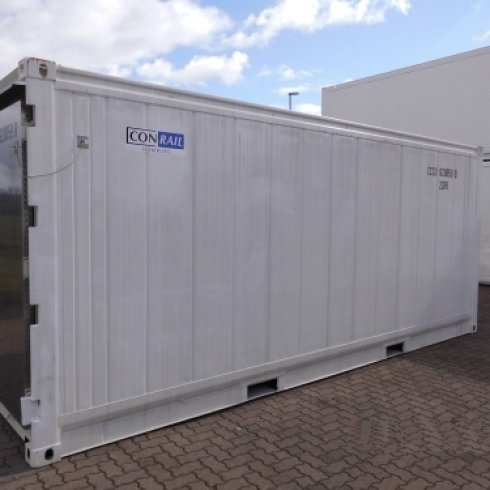
In today’s fast-paced world, protecting sensitive items is more important than ever. Whether you are a business storing pharmaceuticals, food products, logistics, or a collector safeguarding antiques, documents, or artwork, choosing the right storage solution is critical. Standard storage units often fail to maintain stable conditions, leaving your valuables at risk. This is where a climate controlled storage unit comes in.
A climate controlled unit regulates temperature, humidity, and environmental conditions to protect your belongings from damage. But not all units are created equal. From small personal units to large industrial solutions, knowing the features that matter most can save your items – and your money.
In this comprehensive guide, we explore the top 5 features you should always look for in a climate controlled storage unit and why they matter for your business or personal storage needs.
1. Reliable Temperature Control
Why Temperature Control Is Crucial
Temperature fluctuations are one of the most common causes of damage to stored items. Extreme heat or cold, or even sudden changes in temperature, can affect a variety of goods:
-
Electronics: Sensitive devices can overheat, short-circuit, or develop condensation damage.
-
Wooden Furniture & Antiques: Wood expands and contracts with temperature changes, causing cracks and warping.
-
Paper & Documents: Important documents, photographs, and books can yellow, curl, or become brittle.
-
Pharmaceuticals & Medical Supplies: Many medications lose efficacy if not stored at a stable temperature.
A temperature-controlled storage unit ensures that your items remain in optimal condition year-round.
Features to Look For
When selecting a unit, check for the following:
-
Digital thermostats for precise temperature management.
-
Continuous temperature monitoring with automatic alerts.
-
Insulated walls, floors, and ceilings to prevent heat or cold from entering.
Tip: Most high-quality climate controlled units maintain a range between 16°C and 24°C (60°F and 75°F), suitable for a wide range of stored items.
2. Effective Humidity Control
Why Humidity Matters
Even with stable temperatures, uncontrolled humidity can ruin your stored goods. High moisture levels can lead to:
-
Mold and mildew on textiles, wood, and paper
-
Corrosion of metals and electronics
-
Degradation of food, pharmaceuticals, and sensitive biological products
Humidity-controlled storage units manage moisture levels, typically maintaining relative humidity between 45% and 55%, which is ideal for most items.
Features to Look For
-
Built-in humidifiers or dehumidifiers to maintain consistent conditions
-
Digital hygrometers for accurate humidity readings
-
Sealed doors and insulated walls to prevent external moisture from entering
For businesses storing pharmaceuticals, food, or antiques, humidity control is just as essential as temperature control.
3. Advanced Security Features
Protecting Your Valuable Items
A climate controlled storage unit isn’t effective if your items aren’t secure. Security should be a top consideration, especially for high-value or sensitive goods.
Key security features to look for include:
-
CCTV surveillance monitoring all access points
-
Individual unit alarms for unauthorised entry
-
Controlled access using codes, keycards, or biometric systems
-
On-site security personnel or 24/7 monitored facilities
Advanced units may also offer motion sensors, reinforced doors, and remote monitoring. Investing in secure storage protects your assets and provides peace of mind.
4. Accessibility and Convenience
Why Accessibility Matters
A storage unit is only valuable if you can access your items when you need them. Convenience features help save time and reduce risks when retrieving or storing items.
Key features that improve accessibility:
-
24/7 access for business-critical or personal items
-
Wide aisles and unit spacing to accommodate forklifts, trolleys, or pallet jacks
-
Online account management for booking, payments, and monitoring
-
Organised layouts for large facilities to locate items quickly
Businesses, in particular, benefit from easy access, as it reduces downtime and increases operational efficiency.
5. Energy Efficiency and Sustainability
Why Energy Efficiency Matters
Modern climate controlled units are designed not just to protect items but also to reduce energy consumption. Efficient units save money, reduce carbon footprint, and support environmentally conscious practices.
Energy-efficient features to look for:
-
High-quality insulation for walls, floors, and ceilings
-
Energy-efficient HVAC systems for temperature and humidity control
-
LED lighting with motion sensors to reduce unnecessary energy use
-
Renewable energy options, such as solar-powered units
Investing in energy-efficient units pays off over the long term, particularly for businesses storing items long-term or operating multiple units.
6. Additional Considerations
While the top five features are essential, several other factors can further enhance the performance and value of your climate controlled storage unit:
-
Compliance: Ensure the unit meets industry and safety regulations, particularly for pharmaceuticals, food storage, or medical supplies.
-
Size Flexibility: Some units allow modular expansion or combination for larger storage needs.
-
Monitoring & Alerts: Remote alerts and automatic notifications can help you react quickly if conditions deviate.
-
Insurance Coverage: Many providers offer insurance options to protect your stored items from unforeseen incidents.
Real-World Applications
Climate controlled storage units are used in a variety of industries:
-
Pharmaceutical and Medical Storage: Maintaining temperature and humidity is critical for drugs, vaccines, and lab supplies.
-
Food and Beverage Industry: Fresh produce, meats, and baked goods require controlled environments to prevent spoilage.
-
Florists: Flowers and plants need specific conditions to remain fresh during storage.
-
Art Galleries and Museums: Paintings, sculptures, and rare artifacts are sensitive to environmental changes.
-
Electronics and Technology Companies: Prevent condensation, corrosion, and overheating of sensitive devices.
FAQs About Climate Controlled Storage Units
Q1: What items should I store in a climate controlled storage unit?
Ans: Electronics, antiques, artwork, important documents, pharmaceuticals, perishable goods, and any items sensitive to temperature and humidity changes.
Ans: Electronics, antiques, artwork, important documents, pharmaceuticals, perishable goods, and any items sensitive to temperature and humidity changes.
Q2: How much does a climate controlled storage unit cost in the UK?
Ans: Costs vary depending on size, features, and location.
Ans: Costs vary depending on size, features, and location.
Q3: Can I adjust temperature and humidity myself?
Ans: Many modern units allow manual or digital adjustments. Some advanced systems also provide remote monitoring.
Ans: Many modern units allow manual or digital adjustments. Some advanced systems also provide remote monitoring.
Q4: Are these units secure?
Ans: Yes. High-quality units feature CCTV, alarms, secure access, and 24/7 monitoring.
Ans: Yes. High-quality units feature CCTV, alarms, secure access, and 24/7 monitoring.
Q5: How do I know if a unit is energy-efficient?
A: Check insulation quality, HVAC efficiency, smart energy-saving features, and whether renewable energy is integrated.
A: Check insulation quality, HVAC efficiency, smart energy-saving features, and whether renewable energy is integrated.
Q6: Can I store climate-sensitive business inventory long-term?
Ans: Absolutely. Climate controlled storage units are designed for both short-term and long-term storage, protecting items for months or even years.
Ans: Absolutely. Climate controlled storage units are designed for both short-term and long-term storage, protecting items for months or even years.
Final words
Choosing the right climate controlled storage unit ensures your sensitive items remain protected, secure, and in pristine condition. Prioritising features like temperature control, humidity regulation, security, accessibility, and energy efficiency maximises the value of your investment and reduces risks.
At Conrail, we offer a wide range of high-quality climate controlled storage units designed for businesses and individuals across the UK. From pharmaceuticals to antiques, electronics to perishables, our units provide the perfect environment to keep your valuables safe.
Contact Conrail today to learn more about our climate controlled storage solutions and find a unit tailored to your needs.